Standing Together to Rethink and Cure Malignant Gliomas
Stand Up To Cancer (SU2C) Malignant Glioma Innovation Summit - February 2026
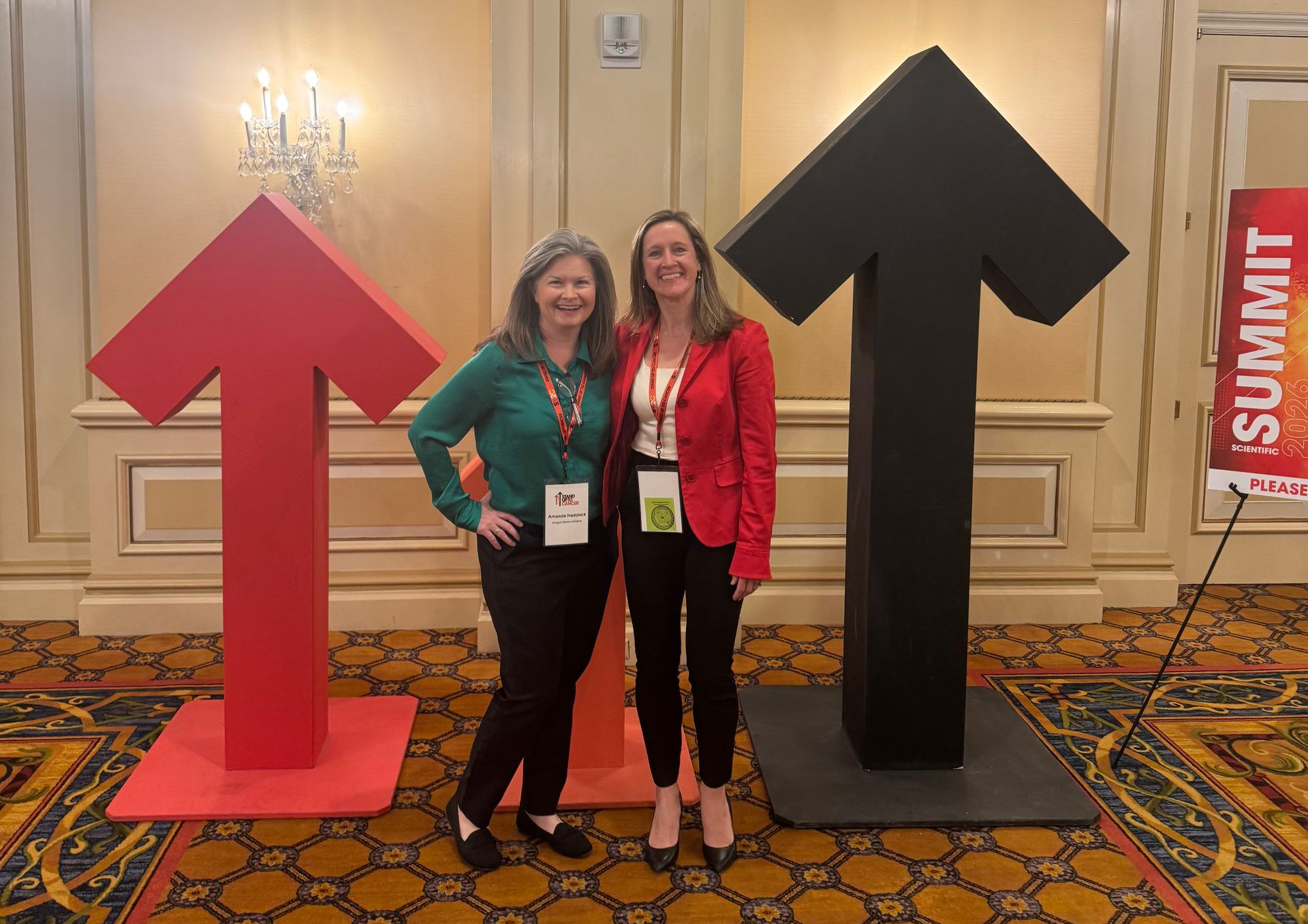
Our President, Amanda Haddock, recently had the opportunity to attend the Stand Up To Cancer (SU2C) Malignant Glioma Innovation Summit—an in-person convening that brought together some of the world’s leading minds in brain cancer research, alongside select patient advocates, nonprofits, and industry partners. The purpose was ambitious and urgent: to define breakthrough pathways for the detection and treatment of malignant gliomas and to accelerate progress for patients who urgently need better options.
From the outset, the summit underscored a truth in this field: no single discipline, institution, or organization can solve malignant gliomas alone. Collaboration, long a cornerstone of both SU2C and Dragon Master Initiative, was a key theme for the summit.
One of the most powerful outcomes of the summit was a collective reframing of how malignant gliomas are understood. Rather than viewing these tumors as isolated clusters of abnormal cells, researchers and clinicians discussed malignant gliomas as dynamic, evolving ecosystems that actively interact with, manipulate, and co-opt the surrounding brain environment.
This perspective shift is supported by a growing body of high-impact research across neuroscience, immunology, epigenetics, and metabolism. By integrating these traditionally siloed fields, the summit focused on addressing the core biological challenges that have made gliomas so resistant to treatment. This ecosystem-based view opens new avenues for therapeutic intervention. These avenues may finally disrupt the cycle of recurrence and resistance that patients face today.
The summit was not an endpoint; it was a launchpad. What made this summit especially meaningful was the shared recognition that incremental progress is not enough. Malignant gliomas demand an approach that is collaborative by design, fearless in scope, and relentlessly patient-focused.
Several presenters noted the intense schedule of the day, which wrung every drop of productivity it could from the time allotted. Leaving the summit, Amanda says she was struck by both the gravity of the challenge and the genuine sense of possibility in the room. When researchers, advocates, nonprofits, funders, and companies come together with a unified purpose, the path toward breakthrough becomes clearer.
This is how progress happens. This is how paradigms shift. And this is how we move closer to a future where malignant gliomas are no longer a devastating diagnosis, but a disease we know how to cure.