"ARPA Hard"
This is what we've been waiting for...

Science is slow. Technology is fast. What happens when we can combine the best of each field? Can we cure cancers that have currently don’t even have quality treatments? To me, that’s the question that we are trying to answer with the ARPA-H Pediatric Cancer Expansion project.
All pediatric cancers are rare. That’s a relative term, but what it means is that we don’t have enough of any one cancer type to utilize the same resources that more common cancers have. There’s less funding, fewer researchers, and less information overall. Patients with these cancers often have no real standard of care, which means from the moment of diagnosis, they are on a journey of discovery. Mostly bad discoveries, if we are being honest.
In recent years, there’s been a movement among patients and the doctors who care for them to collect more robust data so we can learn more about these diseases. Some historical context here is helpful.
Traditionally, data was difficult to come by for a number or reasons:
1. Storage was expensive, and it was hard to make a case to store data that wasn’t of immediate use.
2. When data was collected, it generally stayed locked within a hospital or a consortium’s boundaries. Even within those boundaries, there may be limited individuals who could actually access the data.
3. Collecting data without a firm scientific reason was frowned upon, so only what was needed for a particular study or care was collected.
4. Pediatric patients, in particular, are not subjected to “extra” interventions, leading to fewer opportunities to collect tissue and other biological samples.
5. Collecting post-mortem samples on pediatric patients was less common than adults because of the additional emotional burdens associated with a dying child.
What has changed?
1. Our knowledge of the human genome (first sequenced in 2003) has rapidly changed how we look at data and how we formulate medical treatments.
2. Patients have become increasingly more involved in care and research, thanks in no small part to social media and open exchange of information.
3. Cloud-based infrastructure has made data more accessible than ever, removing physical barriers to data access, and increasing the pressure on people and institutions to share.
4. There are more observational studies that allow for collection of data for usage across many different scientific purposes.
5. Greater understanding of molecular characteristics have given rise to more biopsies because now there is potentially a direct benefit for patients.
6. Difficult conversations often get their start with nonprofits and patient-to-patient efforts, leading to a more comfortable discussion of tissue donation for physicians with families.
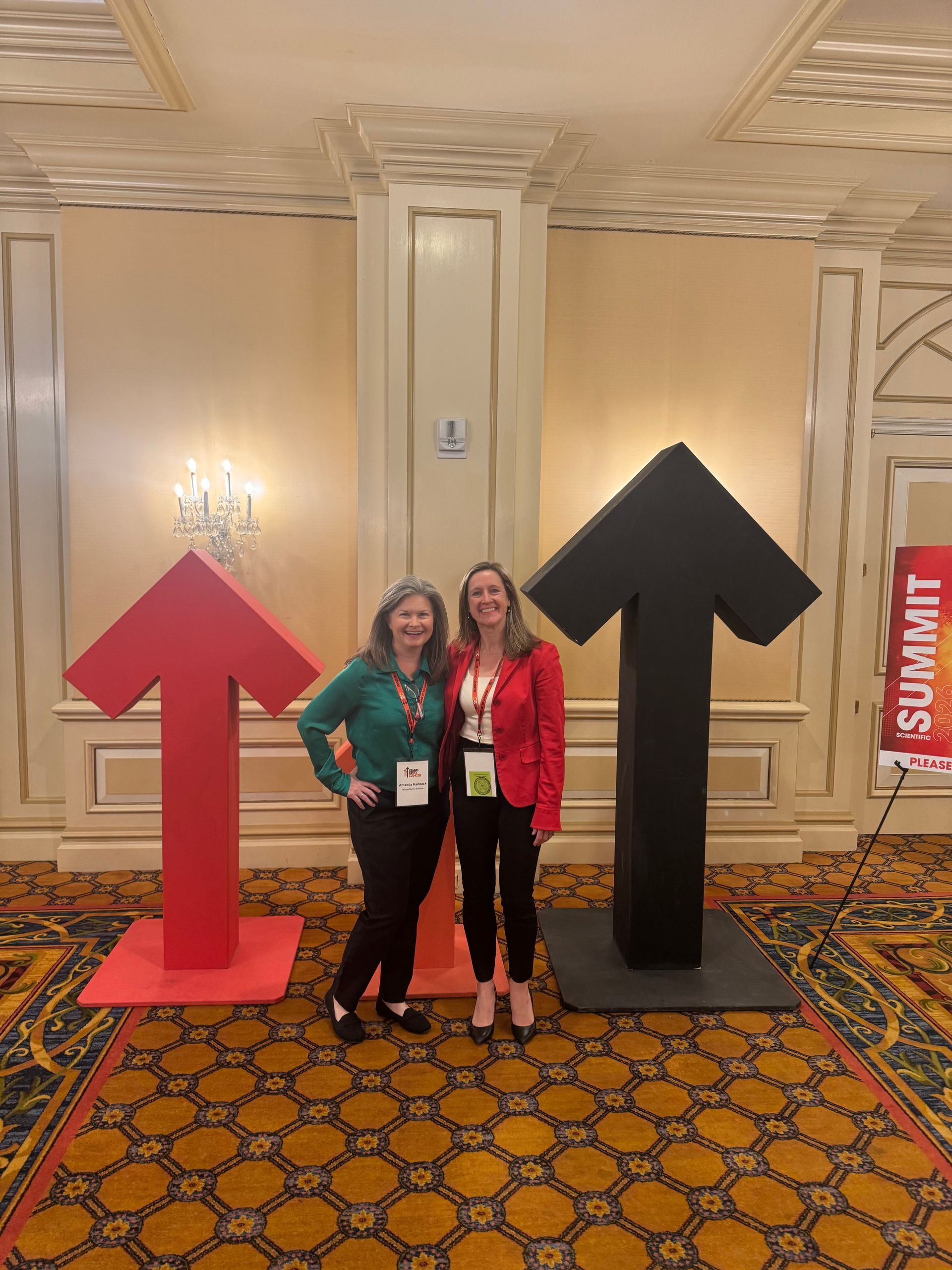
To be clear, even with the positive changes, accelerating the path to cures is still incredibly difficult. Last week, I was in a room with folks who are grappling with these decisions as part of the ARPA-H Pediatric Cancer eXpansion (PCX), and it was some of the most inspiring time I’ve spent doing this work. I’m going to do my best to share some highlights with you so that you will have a greater sense of hope, and also, so you will see how important your support of this kind of work can be.
The meeting kicked off with some very inspirational talks from Stephanie McMahon, a staunch childhood cancer research supporter. It grounded us in the mission, but honestly, the people in this room were already all too aware of what we are up against, and we all have our “why”. We also heard from the ARPA-H Director Dr. Alicia Jackson. I didn’t know this at the time, but something like 80% of ARPA projects fail. Their goals are too big, too audacious. That should give you a framework for how difficult this work is. Insiders call these projects “ARPA hard”.
One of the key challenges for PCX is to gather data from electronic health records (EHRs) at hospitals in near real time and put those data in an environment where they can be used for research. Some notes on that:
• Information in an EHR is not “computable”. Even the most basic reports needed for research can’t be done.
• EHRs are digital, but not all digital data is created equally. Digital might still be a PDF, which is hard to combine with other types of data.
• Patients have tons of data that are not included inside the EHR, so while this is a giant step forward, there are other data that will still need to be aligned to give a complete picture on each patient.
• Even though there are a few major vendors for the EHR systems, each hospital’s environment is a bespoke application. It cannot be assumed that data from one hospital would easily match data from a different hospital.
I believe that this project is well led by Dr. Erika Kim, who seems to not only understand the challenges at hand, but who is eager to overcome them. The teams assembled to address the various components are so talented and driven to succeed, and what I found particularly gratifying was the overall vision that was expressed throughout the room: We are building a pilot to move science and care forward for children with brain tumors, but this infrastructure can and will be expanded to help others with a host of conditions.
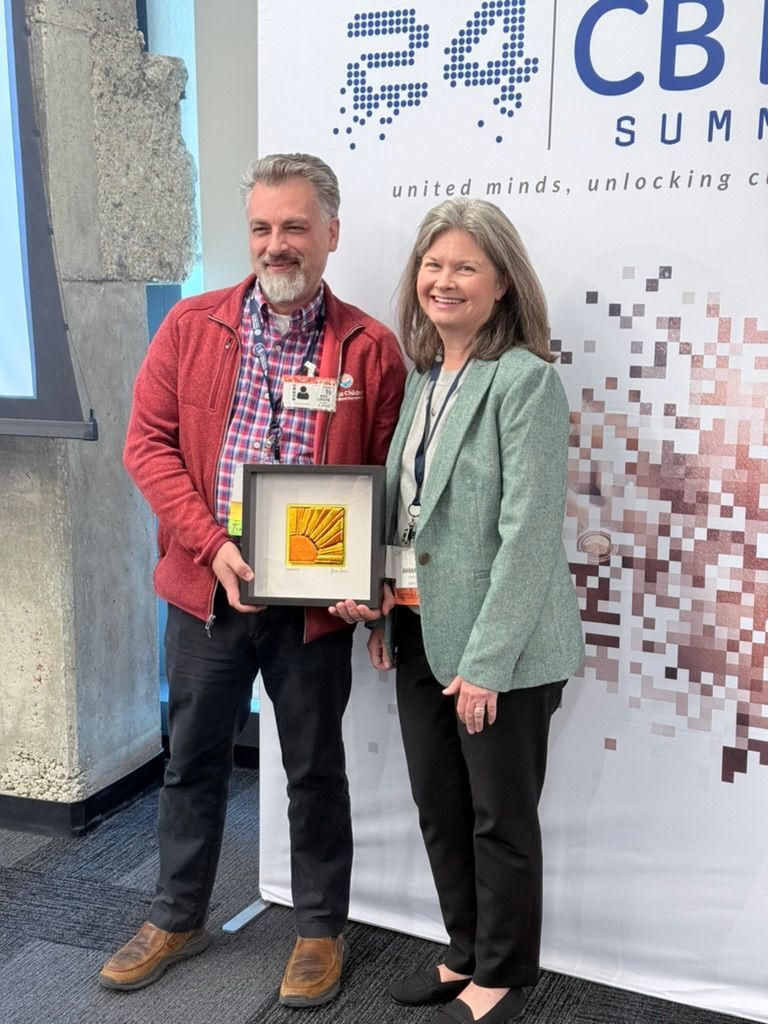
I tried to capture the feel of the meeting with live tweets and photos that you can see here: (https://x.com/amandahaddock/status/2024124093549744433?s=46)
Since I’m late writing about this, several other people have already made great posts about the sessions, and you can read them at these links:
https://www.linkedin.com/posts/arpa-h_200-hospitals-one-mission-ending-pediatric-ugcPost-7429929411660992512-BY09?utm_source=social_share_send&utm_medium=member_desktop_web&rcm=ACoAAAGrT2wB1G7fUgP8AvNbK18SHNwJHQpB6CA
https://www.linkedin.com/posts/erika-m-kim_pcx-pediatrichealth-interoperability-activity-7431427571977932800-LQZ1?utm_source=social_share_send&utm_medium=member_desktop_web&rcm=ACoAAAGrT2wB1G7fUgP8AvNbK18SHNwJHQpB6CA
https://www.linkedin.com/posts/misha-mehta-phd-bcpa_forneev-allianceforchildhoodcancer-advocacy-activity-7432259785078616064-1nKz?utm_source=share&utm_medium=member_desktop&rcm=ACoAAAGrT2wB1G7fUgP8AvNbK18SHNwJHQpB6CA